This article contains affiliate links. If you buy through them, we may earn a commission at no additional cost to you. We may partner with multiple retailers and brands.
UVB is a nutrient, not a luxury
UVB light lets geckos synthesize vitamin D3, which unlocks calcium absorption. Without it, even a perfectly dusted diet can end in metabolic bone disease — the most common preventable illness in captive geckos.
Diurnal species like giant day geckos need stronger UVB. Crepuscular species like leopard, crested and gargoyle geckos benefit from low-level UVB. Even nocturnal geckos show measurable health improvements with gentle exposure.
Choosing the right strength
Use the Ferguson Zone system: shade-dwellers (Zone 1–2) like gargoyle and crested geckos need 2.4–7% tubes, partial-sun species (Zone 3) need 6–10%, and desert baskers like leopard geckos need 7–10%. Distance and mesh change everything — always check the manufacturer's UVI chart for your mounting height.
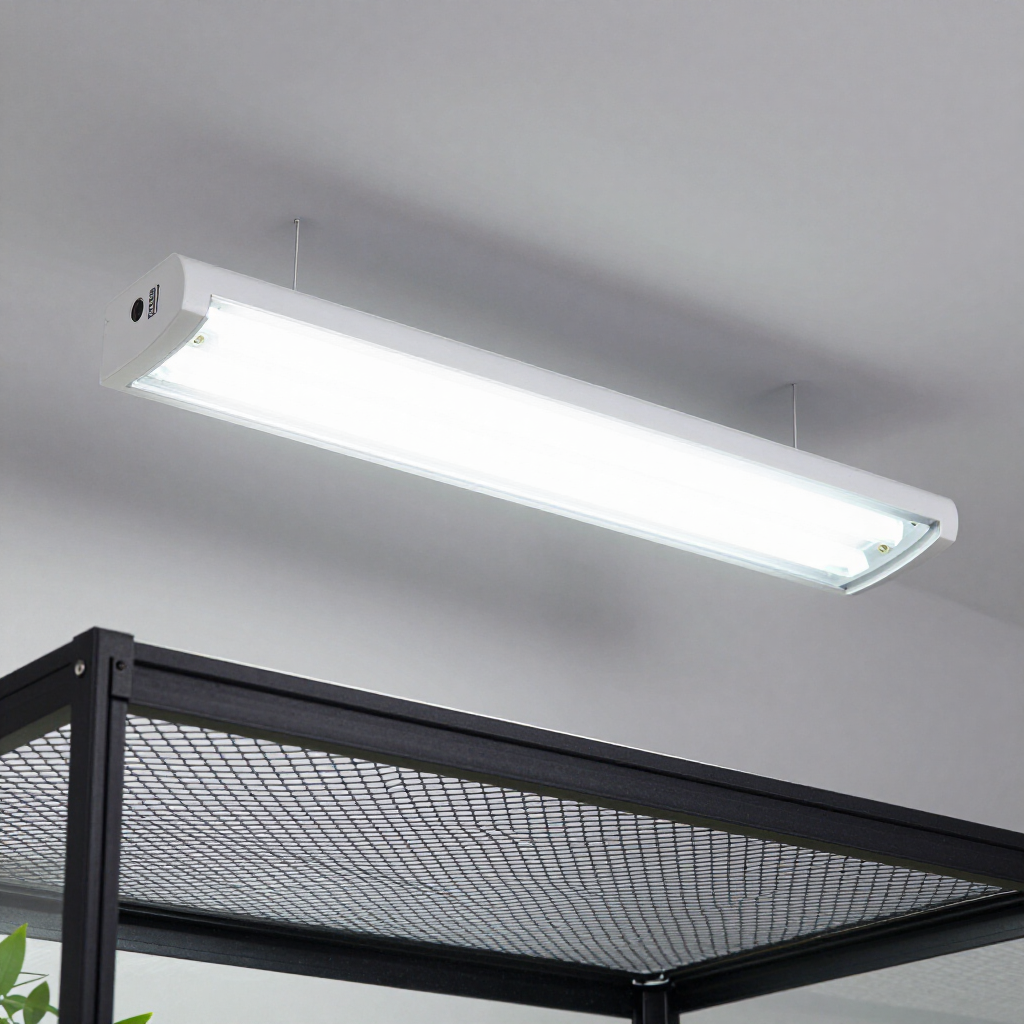
Choose T5 HO linear tubes over compact coils: they spread UV evenly across the enclosure instead of creating one intense hotspot.
Cycles and replacement
Run lights on a 12-hour timer to anchor the day/night cycle, and never leave white light on overnight — use a ceramic emitter if night heat is needed. Replace UVB tubes every 12 months; they emit visible light long after the UV is gone.
Products Mentioned in This Guide
Arcadia ShadeDweller ProT5 7% UVB Kit
Real product photo to be added
uvb-lighting
Arcadia ShadeDweller ProT5 7% UVB Kit
Best for: Healthy D3 synthesis without overexposure
$60–$80
Arcadia Jungle Dawn LED Bar (12")
Real product photo to be added
uvb-lighting
Arcadia Jungle Dawn LED Bar (12")
Best for: Daytime viewing and plant growth
$35–$50
Arcadia ShadeDweller Arboreal 2.4% UVB
Real product photo to be added
uvb-lighting
Arcadia ShadeDweller Arboreal 2.4% UVB
Best for: Safe UV for crepuscular climbers
$55–$75